
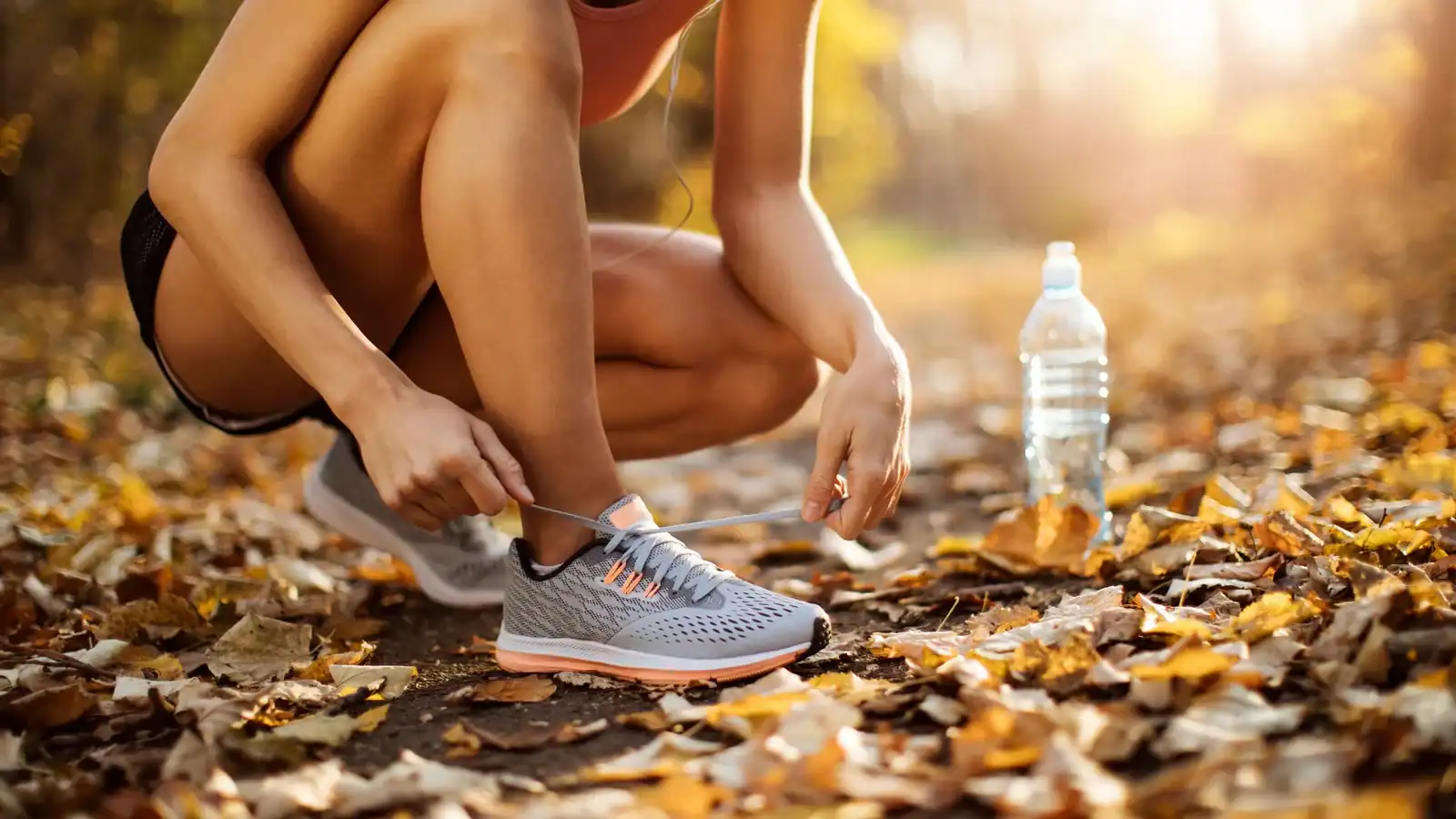
Imagine this: It’s barely dawn. The streets are still dark and empty. But in cities all over the world — New York, São Paulo, Tokyo, London, your own neighborhood — millions of ordinary people are lacing up worn running shoes, stepping outside, and starting to move. No coach. No gym membership. No expensive equipment. Just shoes, pavement, and the decision to begin.
What if I told you this simple, almost boring habit is one of the most powerful things you can do to slow aging, protect your heart, sharpen your mind, and add years to your life? Not hype. Not wellness influencer nonsense. Real data. Real results. And right now, it’s exploding.
This isn’t a trend. It’s a quiet revolution — and if you’ve ever felt stuck, tired, or like time is slipping away faster than you want, this might be the wake-up call you’ve been waiting for.
The Running Boom No One Saw Coming
In the United States alone, more than 50 million people now run or jog regularly. That’s the first time we’ve crossed that threshold since before the pandemic. Marathon finishers tell the same story: from a pandemic low of about 142,000 in 2020, the number jumped to roughly 432,000 in 2024 — nearly matching the all-time high.
Here’s what makes it even more interesting: the people showing up are changing. Runners under 25 went from just over 9% of marathon participants in 2016 to more than 12% in 2024. Women have held steady at around 47% of the field for years. And it’s not just America. In Brazil, official road races exploded from 2,800 in 2024 to over 5,200 in 2025 — an 85% surge in a single year.
Something bigger than fitness is happening. People are choosing to move because it’s one of the few things left that actually delivers.

The Most Democratic Sport on the Planet
Think about every other sport or workout. You need a ball, a court, a pool, a bike, a membership, a partner, a schedule, a coach, the right clothes, the right weather, the right everything.
Running? You need none of that.
The minimum equipment fits in a used pair of sneakers. The track is whatever road, sidewalk, or trail is right outside your door. No bouncer. No monthly bill that can get canceled. No season that ends. People run in flip-flops through desert heat and in heavy jackets through freezing winters. It is, without question, the most accessible form of movement human beings have ever invented.
And biologically? It might be the single best thing you can do to age slower than everyone else.
The Science That Changes Everything
The most powerful evidence comes from the Copenhagen City Heart Study — one of the largest, longest-running health studies ever done. Researchers followed thousands of people for decades and tracked exactly what happened to those who jogged.

The results are blunt:
- Joggers had a 30% lower risk of dying from any cause.
- They had a 45% lower risk of dying from heart disease.
- On average, they gained about three extra years of life.
But here’s the part that should stop you in your tracks: the people who benefited the most weren’t elite athletes crushing marathons. They were the light joggers — people running just 50 to 120 minutes a week, in three short sessions, at an easy, conversational pace.
That group saw their mortality risk drop by 78% compared to people who stayed sedentary.
Let that sink in. Three easy runs a week. No suffering. No heroics. Just consistent, gentle movement. And the body responded by protecting them better than almost anything else science has measured.
The broader research backs it up. Runners consistently outlive non-runners by three to six years — even after accounting for weight, smoking, and alcohol. The same habit slashes risk of heart disease, type 2 diabetes, high blood pressure, several cancers, and even dementia. No single pill, no surgery, no supplement has ever delivered this complete a package.
Your Brain Gets the Upgrade Too
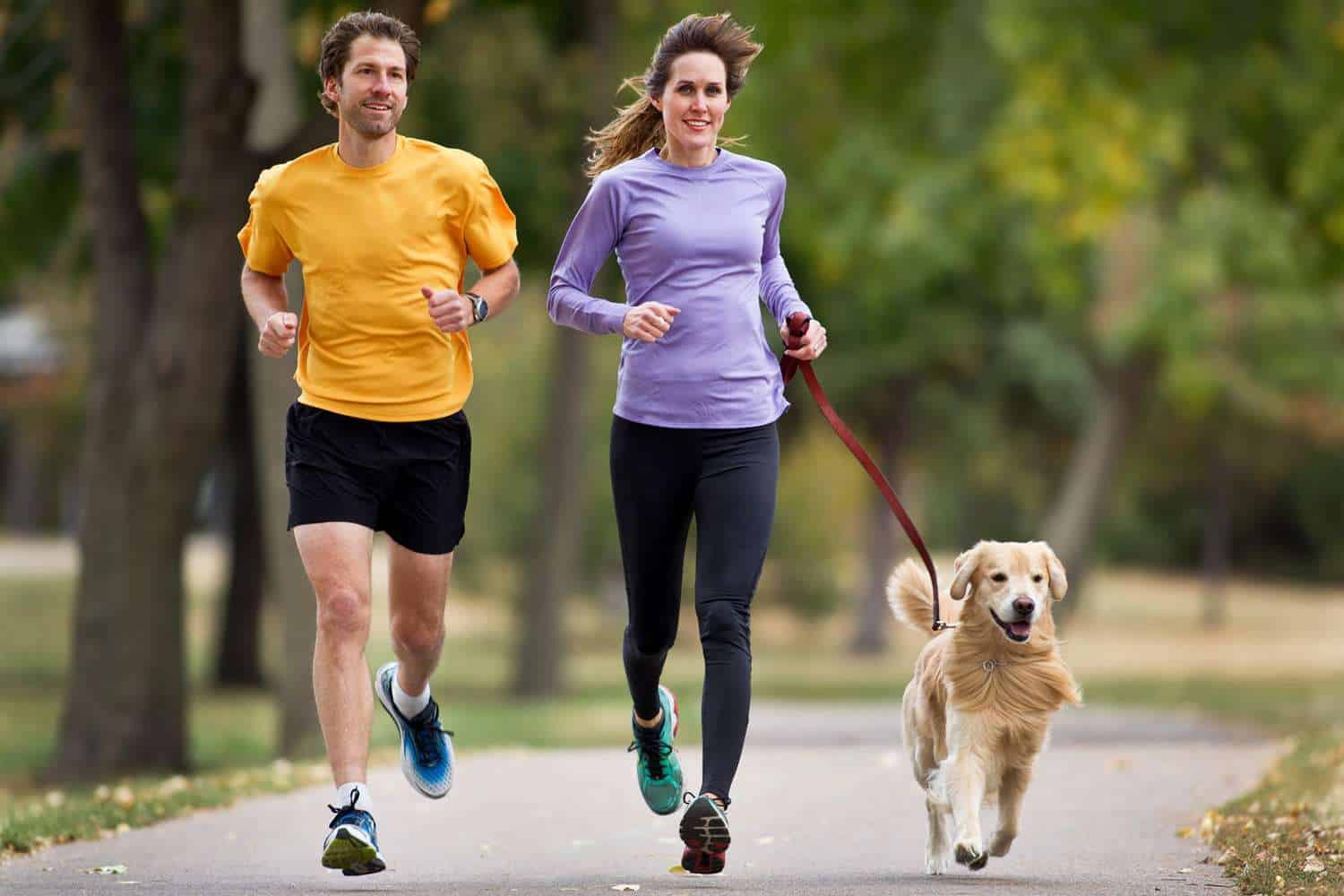
The physical benefits are massive, but the mental health chapter is equally stunning.
Recent meta-analyses combining dozens of studies and tens of thousands of people found that structured aerobic exercise — especially running — works as well as antidepressants and talk therapy for mild to moderate depression. The effect is especially strong in young adults and women after giving birth.
Some doctors are now literally writing “run” on prescription pads with specific dose, frequency, and duration — because in a very real sense, it is medicine.
When you run, your brain releases BDNF (brain-derived neurotrophic factor), often called “Miracle-Gro for the brain.” It grows new brain cells, improves mood, reduces anxiety, and sharpens focus. People who run regularly report better sleep, steadier energy, and a quiet confidence that spills into every other part of life.
Why This Moment? The Perfect Storm
Running has been around forever. So why is it exploding now?
A few powerful forces collided:
- The pandemic made mental health impossible to ignore. People realized movement wasn’t optional anymore.
- Gyms got expensive and crowded. Running is free and always open.
- A new generation grew up seeing 5Ks as social events, not punishment.
- Apps like Strava and local running clubs turned lonely miles into community. In major cities, weekend run clubs have quietly replaced bar meetups for thousands of 20- and 30-somethings.
It’s public health happening from the ground up — no government campaign, no billion-dollar budget. Just millions of individuals deciding, one by one, that three hours a week is worth it.
Let’s Be Honest About the Challenges

Of course, it’s not all perfect.
A lot of new runners start with zero base and get injured — knees, ankles, Achilles. Social media makes it worse, showing everyone’s best splits and weekly mileage while hiding the slow, boring foundation work. The data is clear: runners who follow a real plan progress faster and get hurt less.
And safety is still a real issue. Far more women than men say fear of street violence keeps them from running outdoors. That’s why so many shift to treadmills, daylight hours, well-trafficked parks, or group runs. The sport is democratic in theory. The streets aren’t always equal in practice.
But none of this changes the core truth: the benefits massively outweigh the manageable risks — especially when you start smart.
What to Do With This (Your Practical Playbook)
You don’t need to become a marathoner tomorrow. You don’t even need to love running. You just need to start.
Here’s the minimum effective dose that science actually proves works:
1. Start with the proven minimum Three sessions a week, 20–40 minutes each, at a truly easy, conversational pace. If you can speak full sentences without gasping, you’re in the right zone. This alone delivers most of the longevity and mental health benefits. No suffering required.
2. Chase consistency, not speed Twelve straight weeks of easy running beats one panic-trained half marathon every time. The magic lives in showing up, not in crushing yourself. Build the habit first. The results compound quietly.
3. Get structure if you’re new Follow a real beginner plan (many free ones exist) or join a local running club. Runners with plans hit personal bests at much higher rates and get injured far less. Accountability and community turn “I should run” into “I’m meeting the group at 7.”
4. Treat your shoes like medical equipment A good pair lasts 400–500 miles and costs less than one specialist visit in most places. Rotate two pairs if you can. Your body will thank you.
5. Solve the safety problem (especially if you’re a woman) Run in daylight. Choose busy parks and well-lit routes. Use group runs or apps with live tracking and safety beacons. The health payoff is worth the small extra planning. Many cities now have women-only run clubs — find one.
Bonus mindset shifts that make it stick:
- Run for how you feel afterward, not how you look while doing it.
- Pair it with something you enjoy — a great podcast, music, or just the quiet.
- Track how your energy, mood, and sleep improve after two weeks. That data is more motivating than any fitness watch.
The Bottom Line
In a world full of expensive supplements, complicated diets, and gyms that cost more than rent, the most powerful health intervention is sitting by your front door right now.
A pair of shoes. Three hours a week. The single habit that science keeps proving outperforms almost everything else at delivering the one thing that actually matters: more years, better years, and a mind that feels alive.
This isn’t about becoming someone else. It’s about becoming the version of you that has more energy for the people you love, more clarity for the work that matters, and more quiet confidence that you’re taking care of your future self.
The data is in. The movement is happening. The only question left is: are you ready to step into it?
If this hit you — if you felt that little spark of “maybe I could actually do this” — drop a comment below telling me where you’re at. Are you already a runner? Thinking about starting? What’s been holding you back?
This week, just try the minimum. Three easy runs. See what happens. Your future self is already cheering you on.
See you on the road. 🏃♂️